
A Culinary Journey Across Vietnam – Every Flavor Tells a Story

Have you ever wondered why Northern Vietnam cuisine is known for its subtle and light flavors, Central Vietnamese dishes tend to be spicy and salty, while Southern food often leans toward sweetness?
If you have, the join Saigon Taste Tours on an unforgettable 3-Region Food Tour – a journey not just for your taste buds, but also through Vietnam’s rich history and diverse cultural heritage.
The Origins and Soul of Vietnamese Cuisine
Vietnamese cuisine is not merely about cooking – it’s the art of harmony between rice, water, and people.
Since ancient times, the Vietnamese have cultivated wet rice, making rice the soul of every meal.
A traditional Vietnamese meal typically follows this trio:
- Rice – the heart of the meal.
- Vegetables – fresh and seasonal, “what grows this season, we eat this season.”
- Protein – from fish, meat, eggs or tofu.
Vietnam is among the world’s top consumers of vegetables, and locals know countless ways to prepare them — boiled, stir-fried, pickled, or eaten fresh.
This has shaped a cuisine that is balanced, healthy, and deeply connected to nature — something the modern world now seeks in “clean eating” trends.
Northern Cuisine – Elegant and Subtle
Distinctive Flavors
The North, blessed by the Red River Delta’s fertile soil and mild climate, produces dishes that reflect its people’s gentle and refined nature.
Northern food is lightly seasoned, mild, and harmonious, focusing on balance rather than intensity.
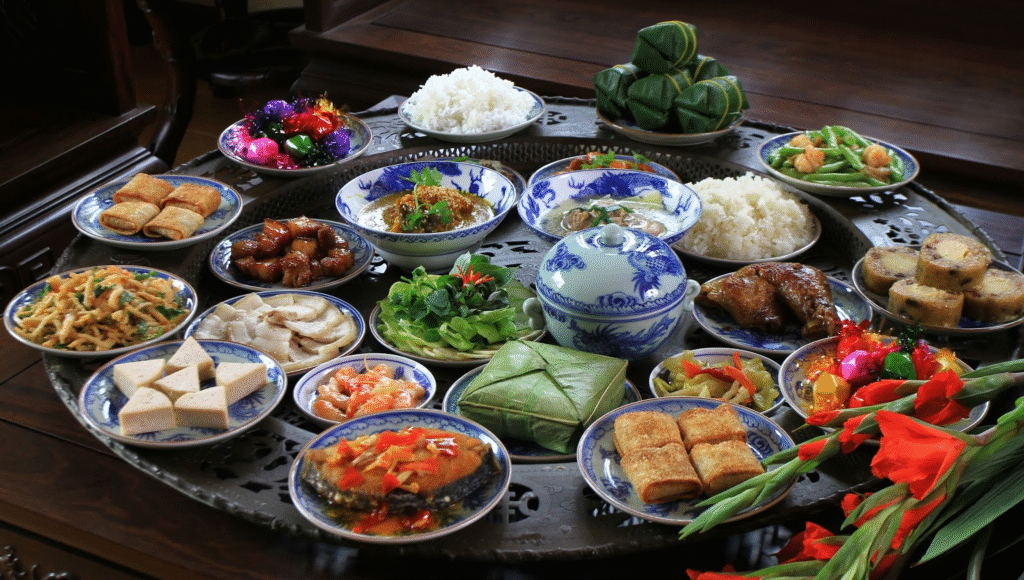
Signature Dishes
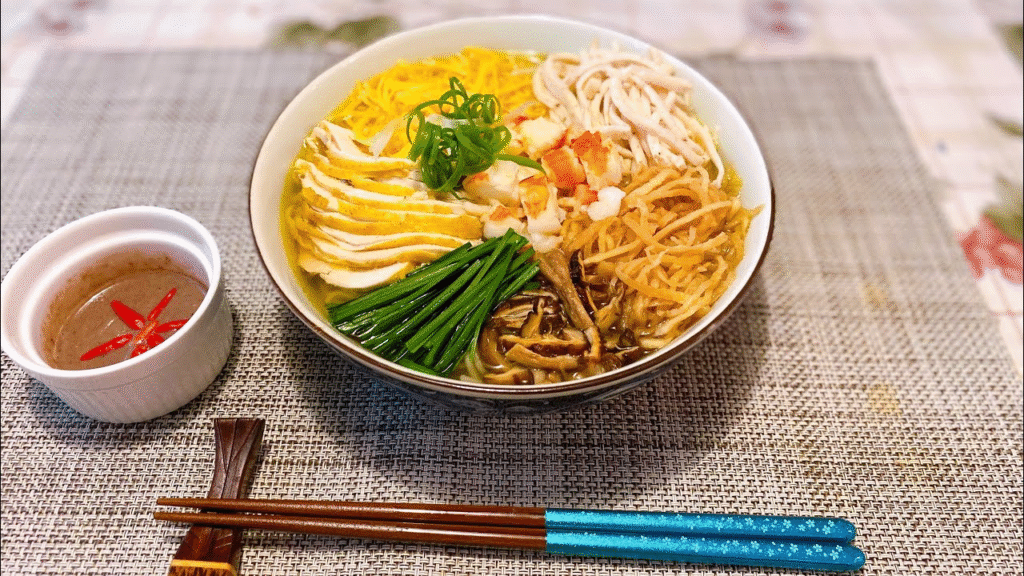
Bún thang (Hanoi vermicelli soup): clear broth, naturally sweet from dried shrimp and pork bones.
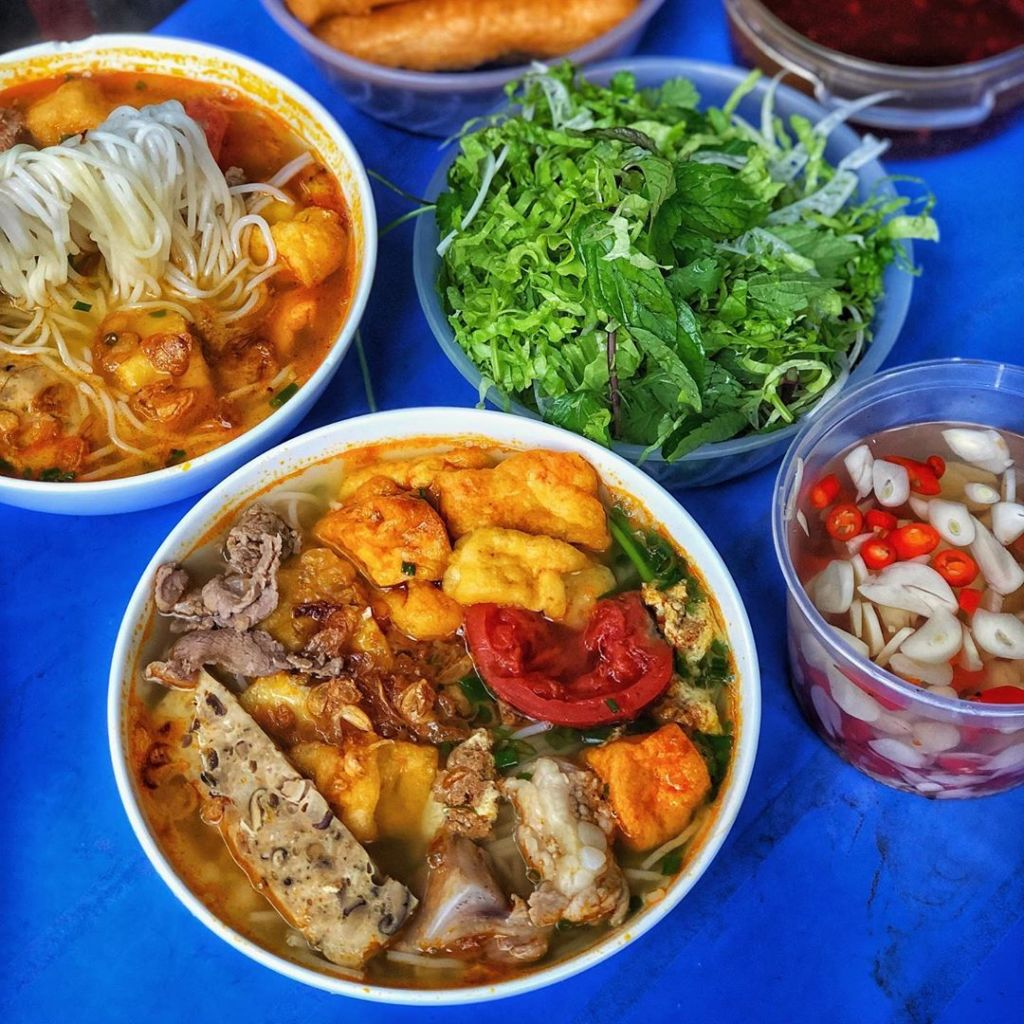
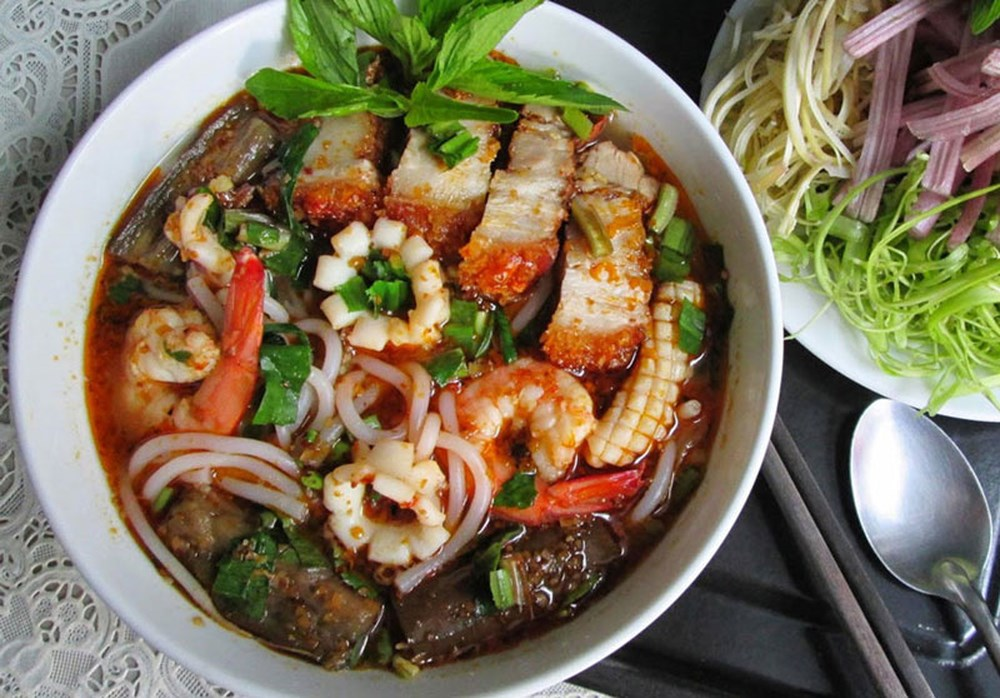
Bún riêu (crab paste noodle soup): tangy with fermented rice vinegar, topped with crab meat and tofu.
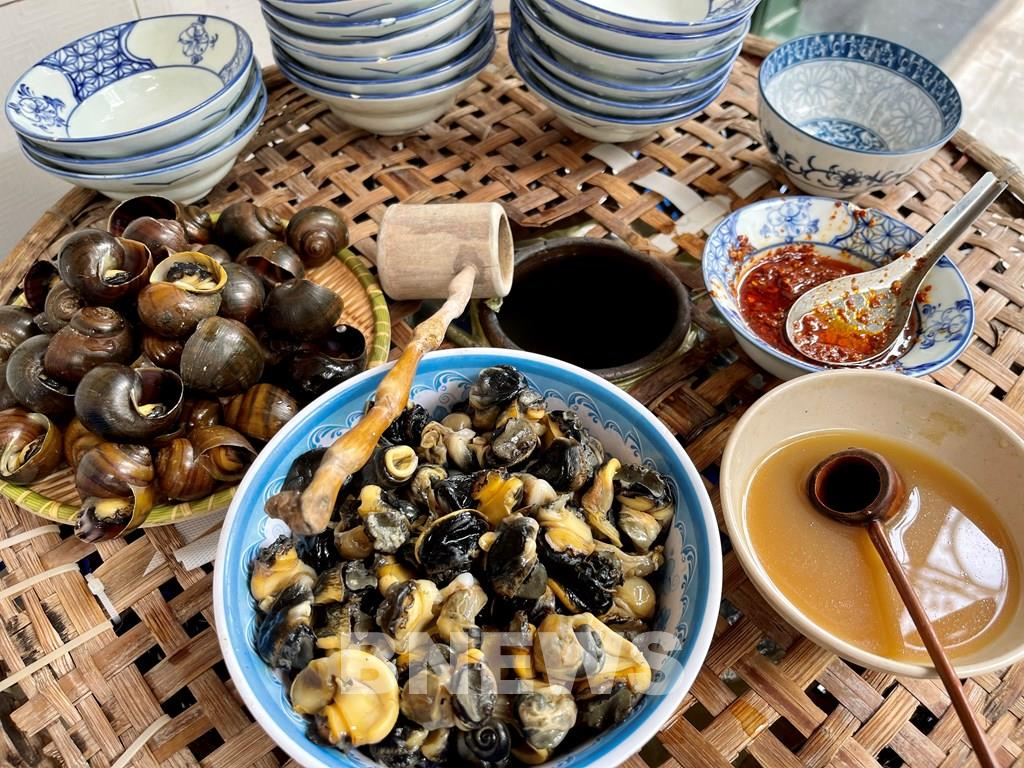
Cold snail noodles: refreshing, perfect for hot summer days.
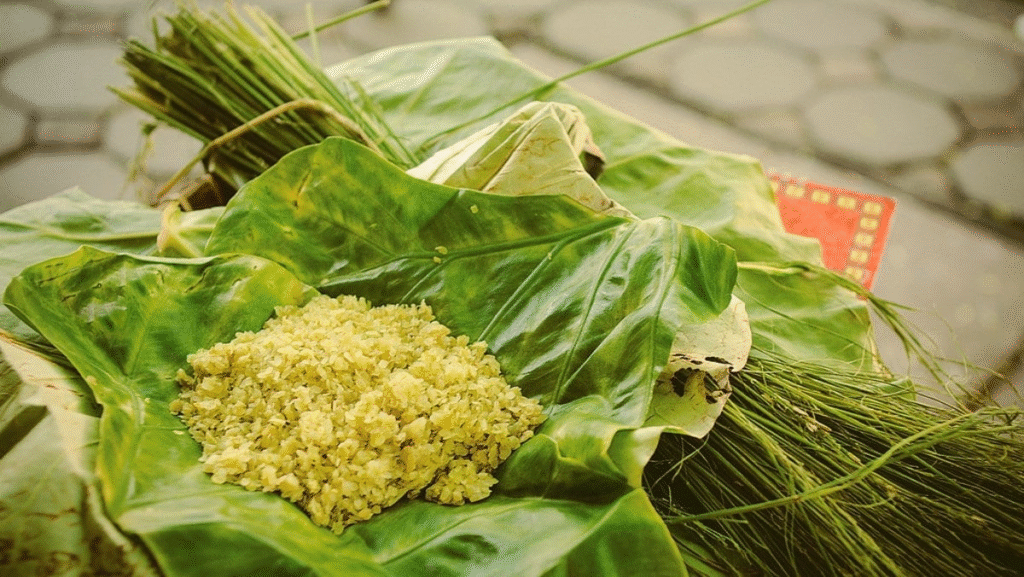
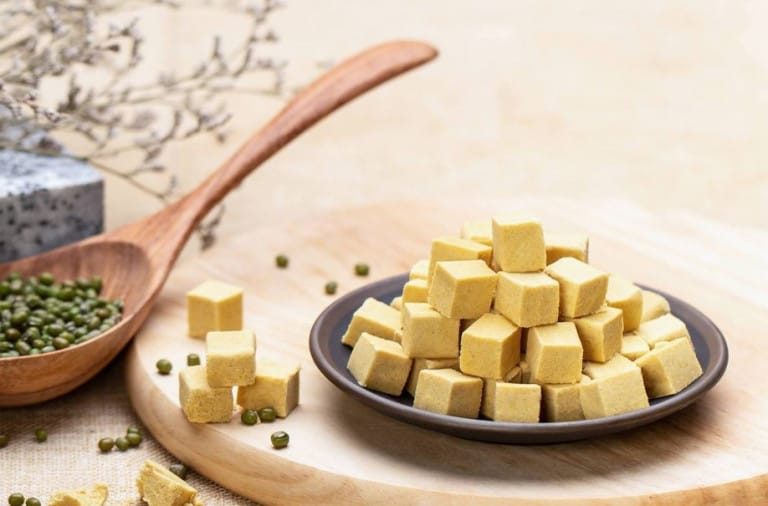
Green rice flakes, mung bean cakes, and sweet preserves: childhood treats wrapped in nostalgia.

Aesthetic Presentation
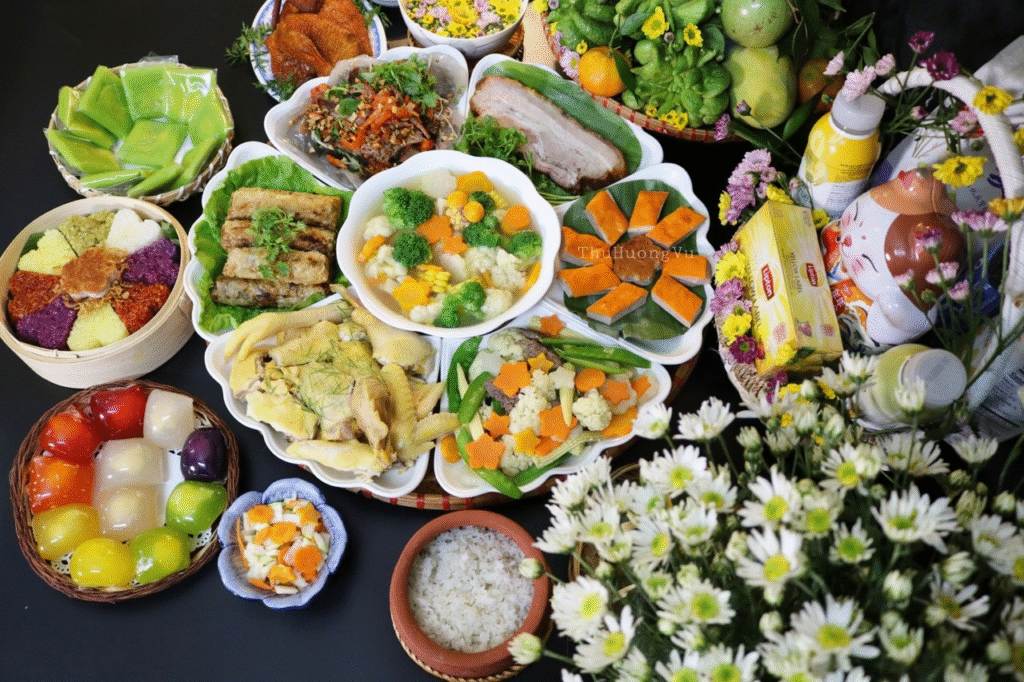
Northern dishes emphasize visual harmony — nothing too colorful or rich, but meticulously arranged and elegant.
Each dish feels like a miniature painting, embodying the grace and sophistication of the old capital, Hanoi.
Central Cuisine – Bold, Spicy, and Soulful
The Flavors of Resilience
Central Vietnam, known for its harsh climate of sun and storms, has shaped a cuisine of resilience.
Locals developed the habit of “cut big, season strong”, creating food that is intensely flavorful, spicy, and often preserved with chili and fermented shrimp paste.
Hue – The Heart of Central Vietnamese Cuisine
Once the imperial capital, Hue’s cuisine blends royal refinement with rustic simplicity.
Cơm hến (clam rice): humble yet deeply flavorful.

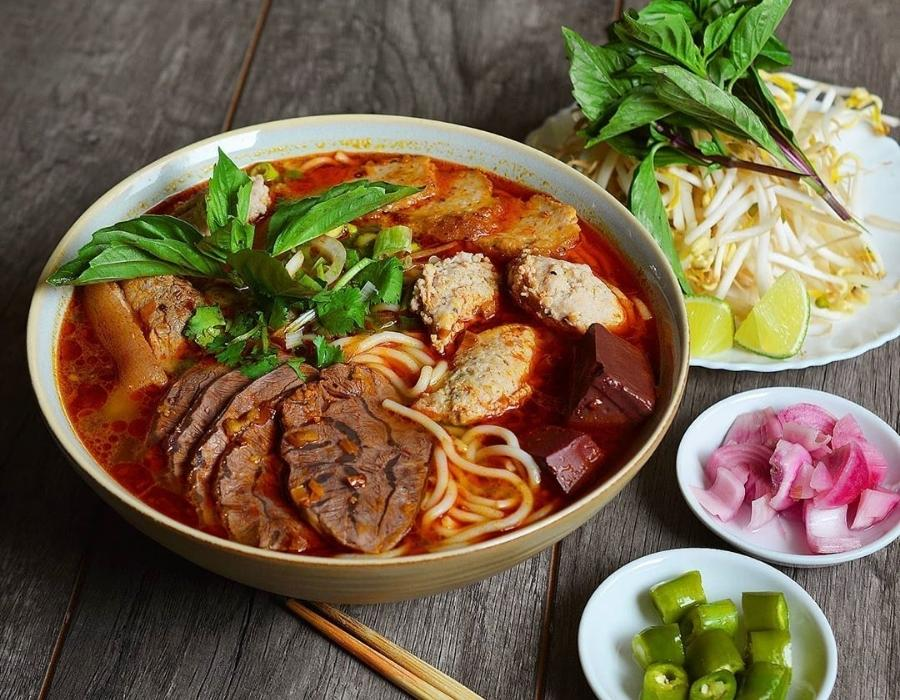
Bún bò Huế: rich, aromatic, spicy, and fragrant with lemongrass — a must-try national dish.
Hue sweet soups (chè Huế): colorful and delicate.

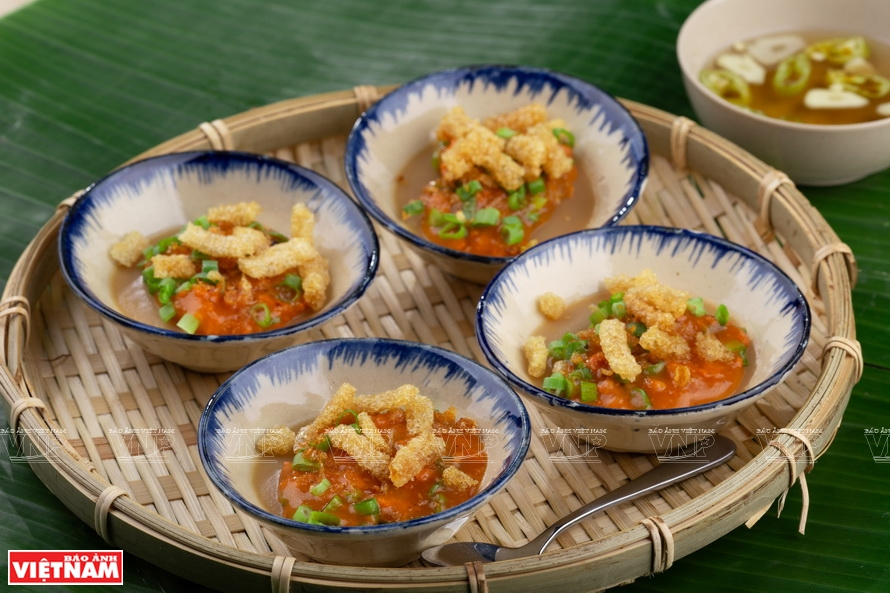
Bánh bèo, bánh lọc, bánh nậm: petite rice cakes that showcase artistry in every detail.
Quang Nam Province – Simplicity with Character
If Hue is elegant and regal, Quang Nam cuisine is rustic and straightforward.
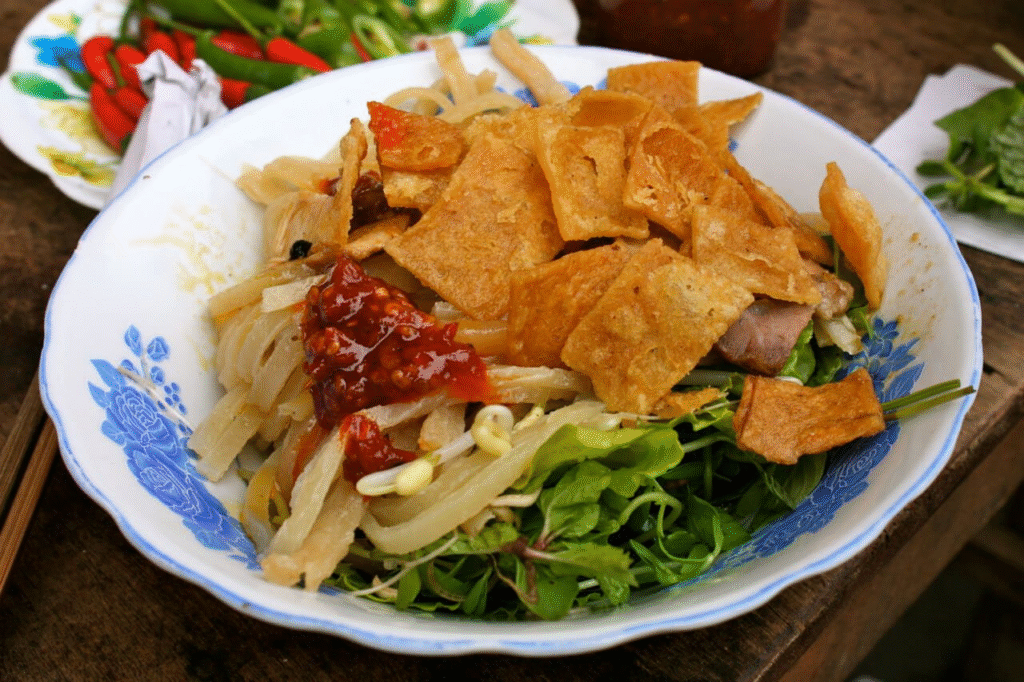
Signature dishes like Mì Quảng, Cao Lầu, and pork roll rice paper express a bold, spicy, and honest flavor — mirroring the people’s strong, unpretentious spirit.
Southern Cuisine – Generous and Sweet Like the Mekong Delta
Flavors of Riverlands
The South — Vietnam’s rice bowl — is criss crossed with rivers and canals, providing abundant fish, seafood, and tropical fruits.
Southern cuisine reflects this abundance with generous portions, bold flavors, and a fondness for sweetness.

Must-Try Dishes
Cơm tấm (broken rice): grilled pork, pickled vegetables, and scallion oil – the soul of Saigon street food.

Hủ tiếu Nam Vang (Phnom Penh noodles): a multicultural blend of Vietnamese, Chinese, and Khmer flavors.
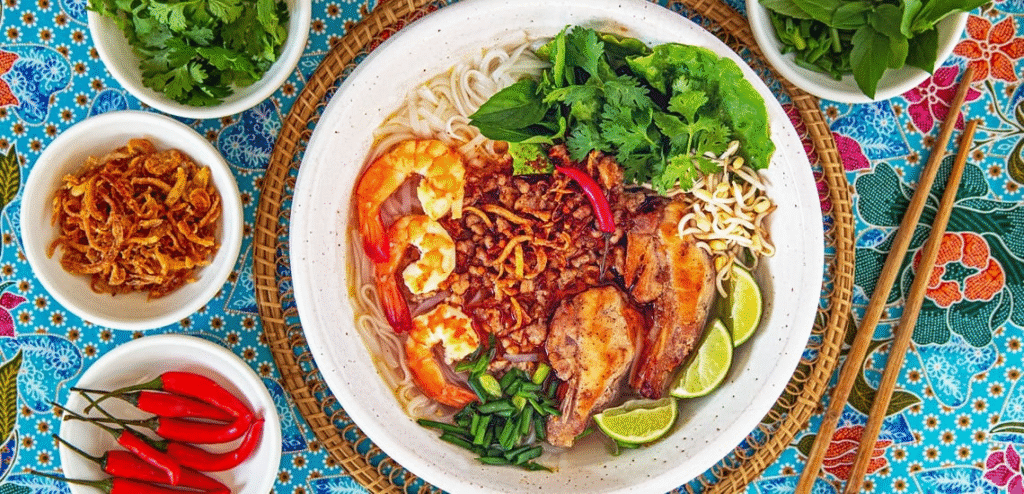
Bún mắm, gỏi cuốn, bánh xèo: vibrant, flavorful, and deeply tied to daily life.
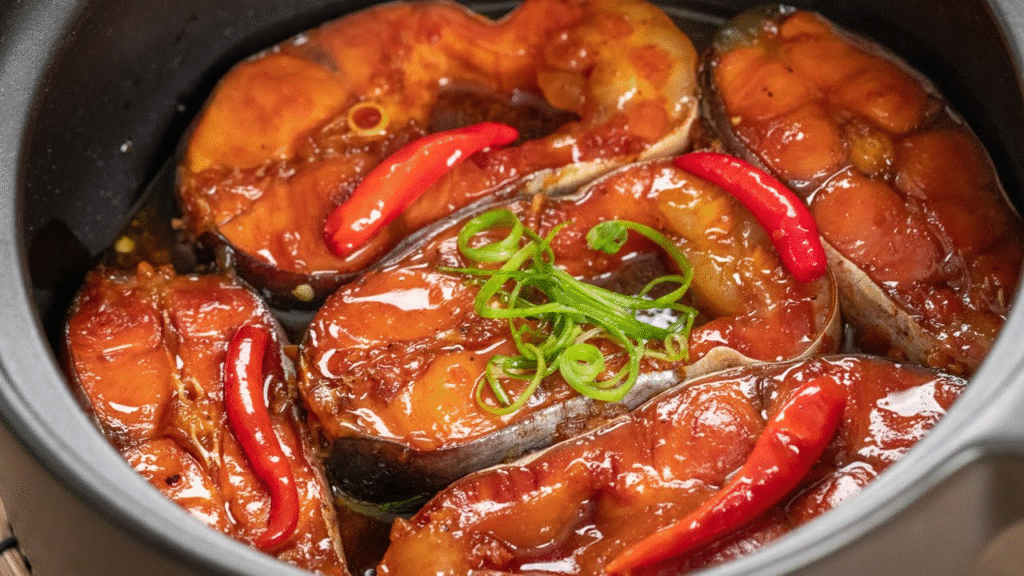
Caramelized dishes (kho): from fish and beef to chicken and even coconut — seasoned sweet, salty, and rich.
Fruits – The Soul of the South
In the Mekong Delta, fruits are more than dessert — they can be part of the main meal.
Locals often eat rice with fruits like watermelon, banana, mango, or avocado.
This habit perfectly embodies the Southern people’s creativity and closeness to nature.
Vietnamese Cuisine on the World Stage
It’s not just locals who love Vietnamese food — the world has taken notice.
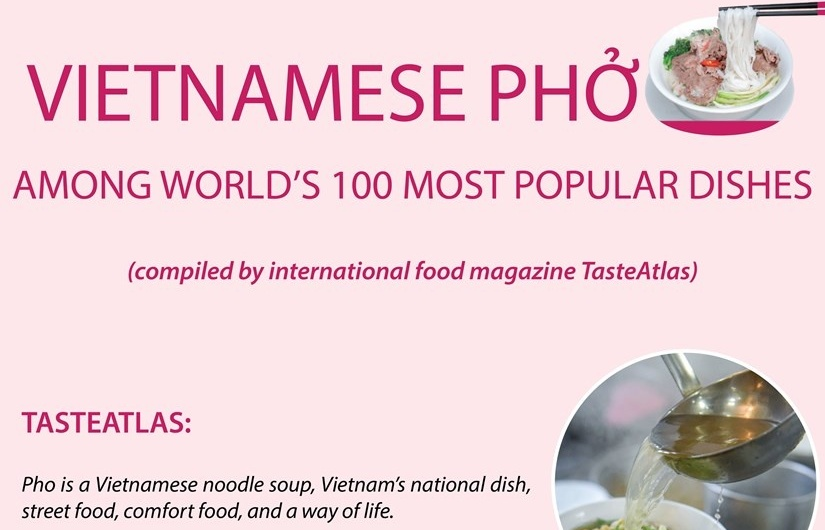
- In 2023, CNN named Phở among the best dishes in the world.
- Bánh mì made it to the top global sandwiches list.
- According to TasteAtlas, Vietnam scored 4.31/5, ranking 20th in global cuisine.
Beyond its taste, the affordability of Vietnamese food surprises many tourists — with only 4 to 5 USD, one can savor a full spectrum of authentic local dishes.
Vietnamese Cuisine – A “Healthy” Global Trend
As the world shifts toward clean and healthy eating, Vietnamese cuisine naturally stands out.
Its focus on fresh ingredients, minimal oil, and lots of herbs and vegetables makes it both delicious and nourishing.
It’s no surprise that Vietnamese food is trending globally, praised for its balance of health and flavor.
Conclusion: A Journey Without End
From North to South, each Vietnamese dish tells a story of land, people, and heritage.
If Northern cuisine is like a watercolor painting, Central cuisine a soulful melody, then Southern cuisine is a vibrant song of life — wide, generous, and full of love.
With Saigon Taste Tours, every 3-Region Food Tour is more than tasting — it’s about rediscovering memories and national pride.
So next time you lift your chopsticks to enjoy a Vietnamese dish, remember:
“You’re not just eating — you’re touching the soul of Vietnam.”
Explore Cu Chi Tunnels with Saigon Taste Tours team

8 hours
$66.60 $74.00

7.5 hours
$31.50 $35.00

10 hours
$62.10 $69.00

6.5 hours
$35.00
Explore Ho Chi Minh Combos, Day Trips

8 hours
$49.50 $55.00
9 hours
$60.30 $67.00

9 hours
$60.30 $67.00

12 hours
$40.50 $45.00
8 hours
$66.60 $74.00
10 hours
$62.10 $69.00

4 hours
$58.50 $65.00
Explore Mekong Delta Adventures

9 hours
$53.10 $59.00

9 hours
$58.50 $65.00
10 hours
$62.10 $69.00

48 hours
$532.80 $592.00
8 hours
$40.50 $45.00
Taste Of Saigon Tours
4 hours
$53.10 $59.00
8 hours
$49.50 $55.00
4 hours
$53.10 $59.00
4 hours
$40.50 $45.00
4 hours
$58.50 $65.00

4 hours
$35.00
4 hours
$35.00
4 hours
$49.00






Saigon Taste Tours team
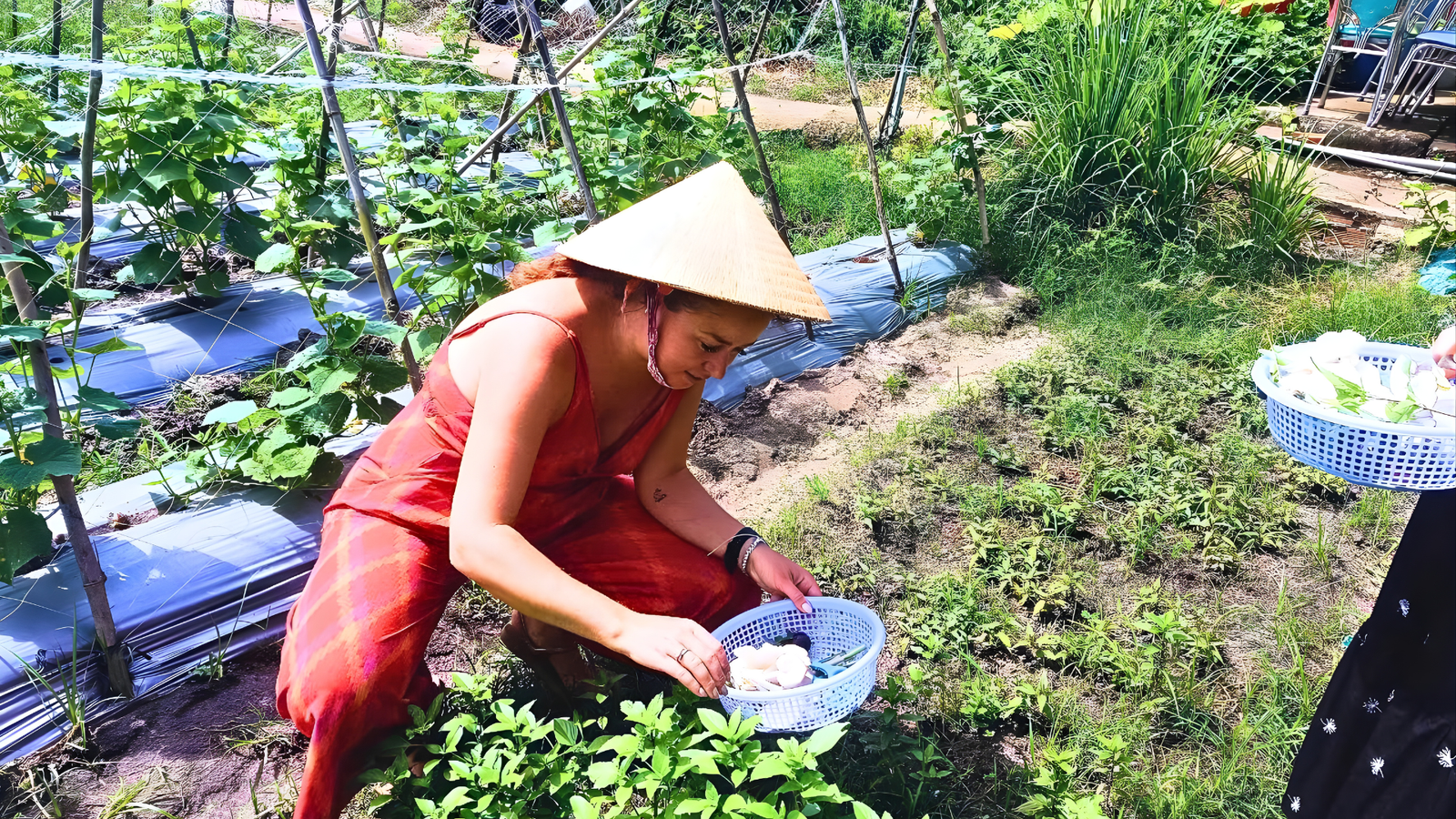
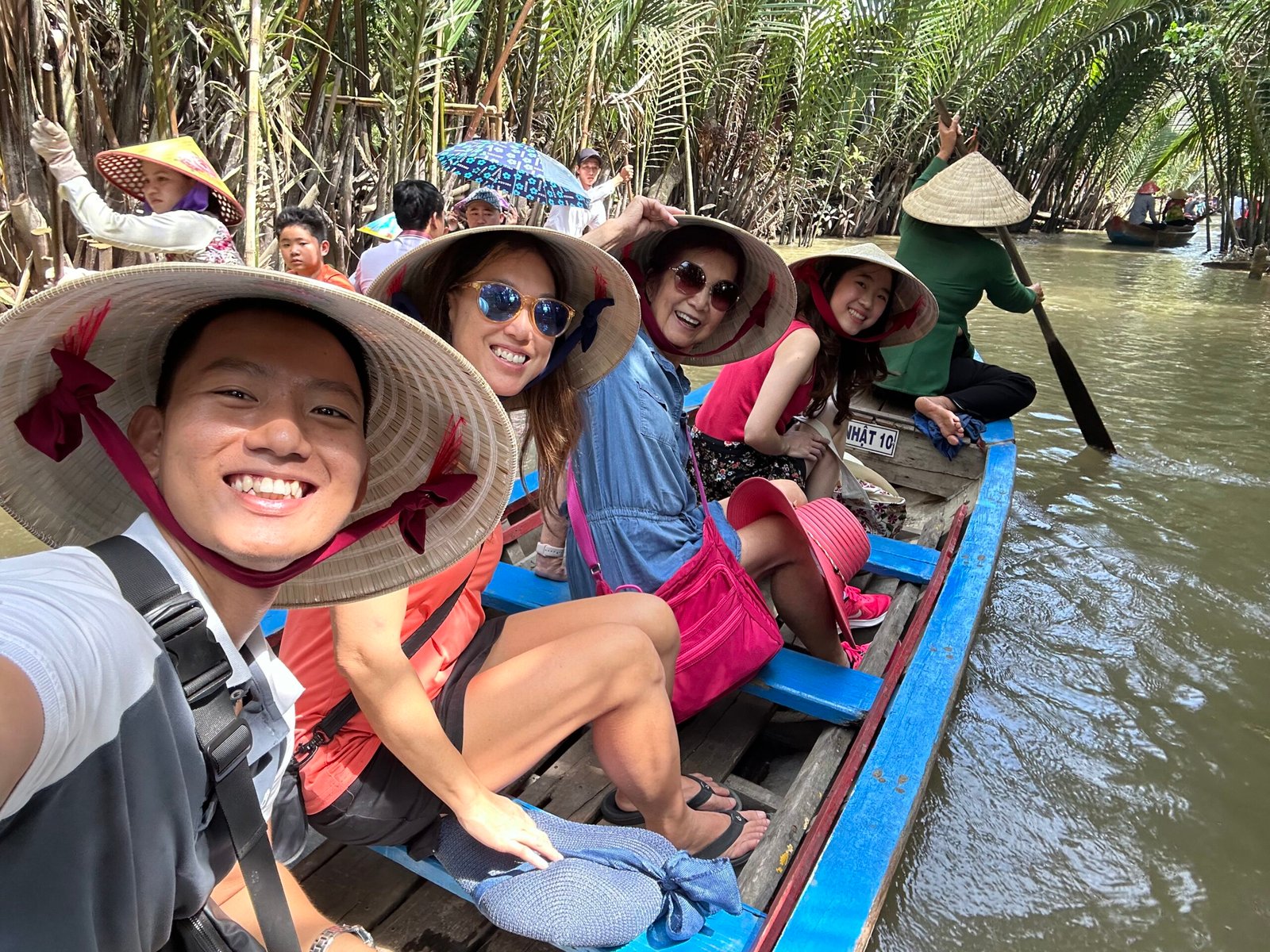
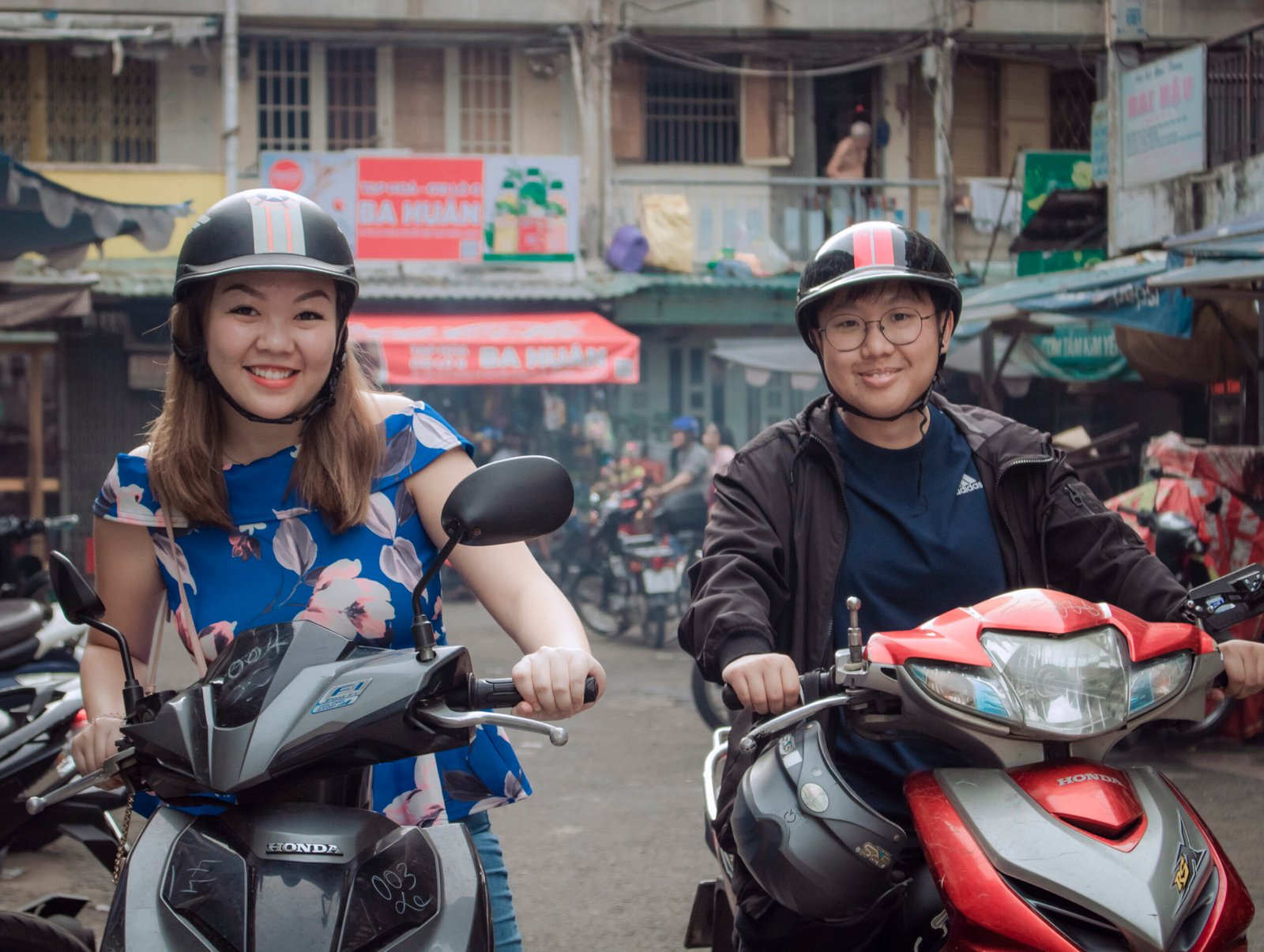
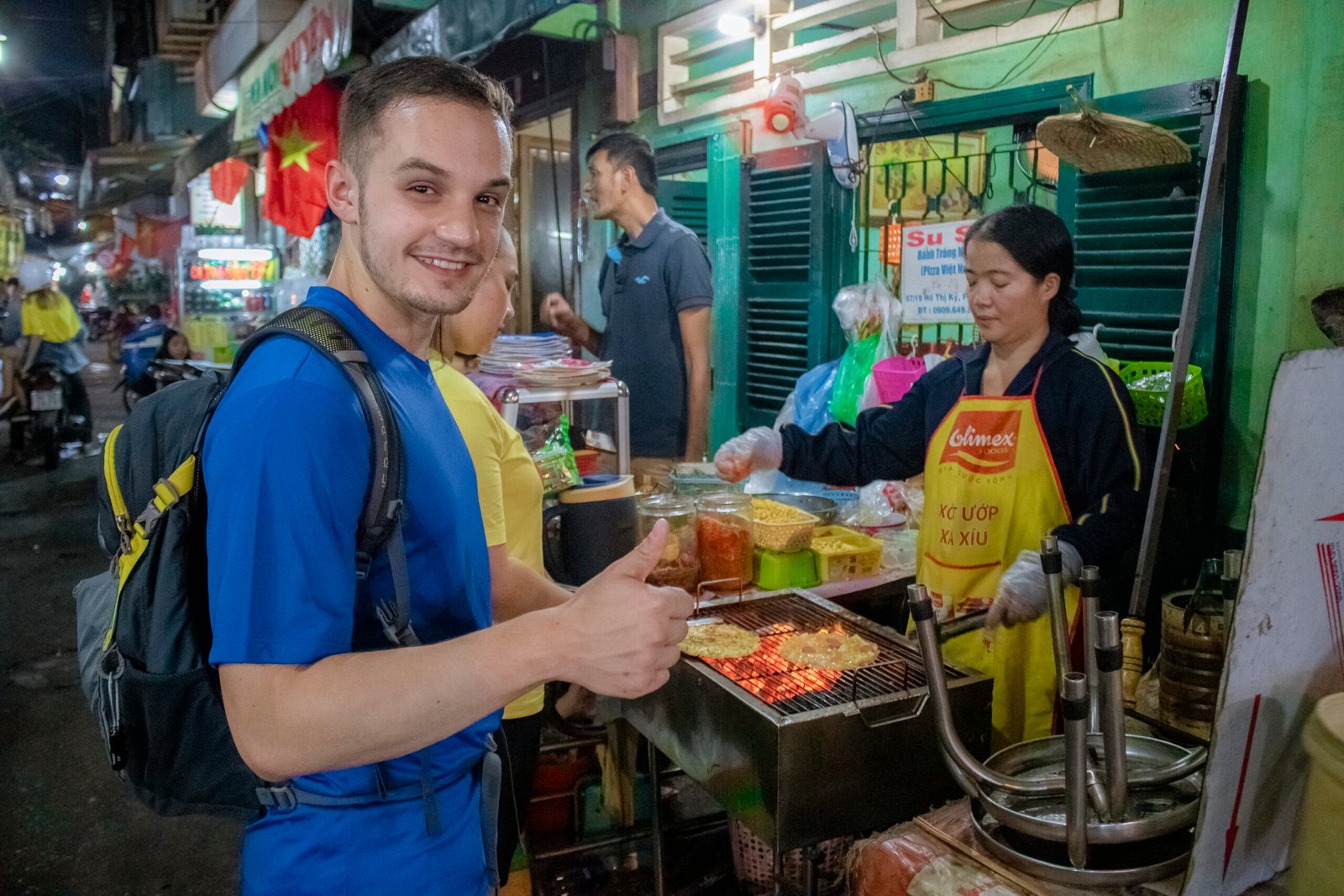
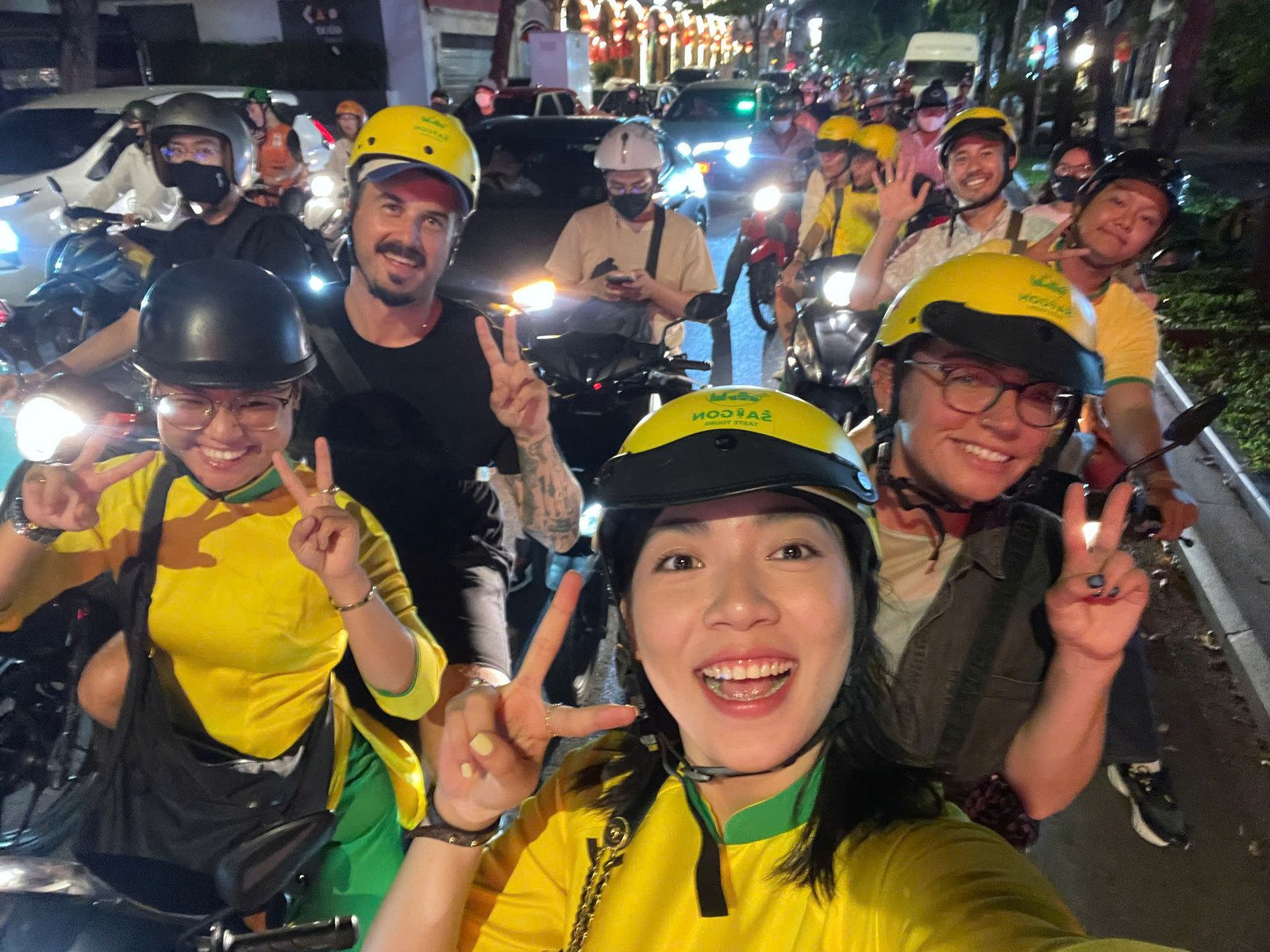
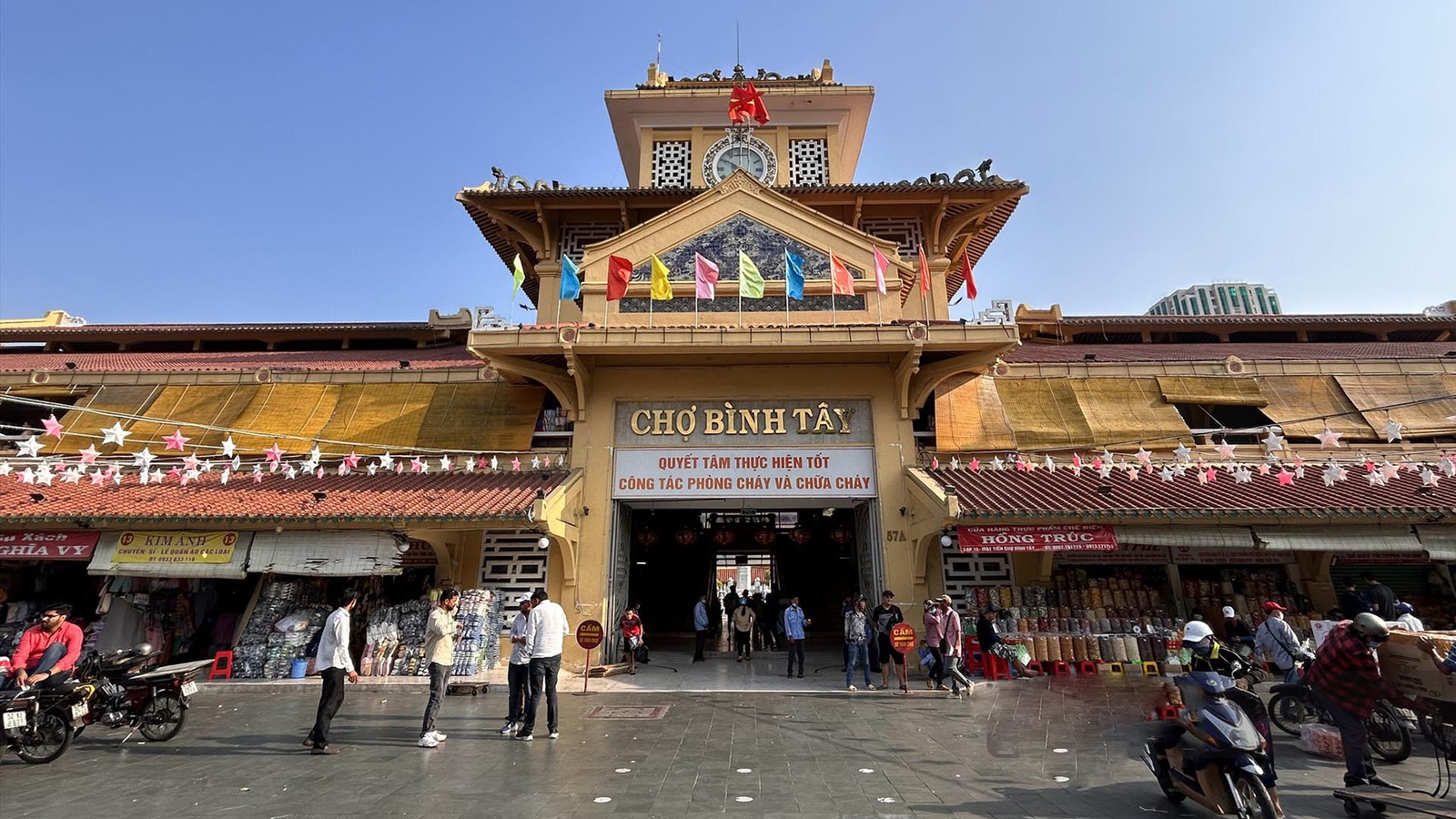
Welcome to SAIGON TASTE Tours!We’re a team of passionate local guides dedicated to sharing the real Saigon and Vietnam through food, culture, and hidden gems. From bustling street food stalls and historic landmarks to outdoor adventures and peaceful nature escapes, our tours are designed to be authentic and unforgettable. Every experience is private and tailored to you, guided by knowledgeable locals who go above and beyond to make you feel like you’re exploring with a friend. With us, you won’t just visit Vietnam — you’ll truly experience it.We can’t wait to welcome you! Best regards, Ben and the SAIGON TASTE Tours
saigontastetours@gmail.com Click to Connect with Us
Leave a Reply